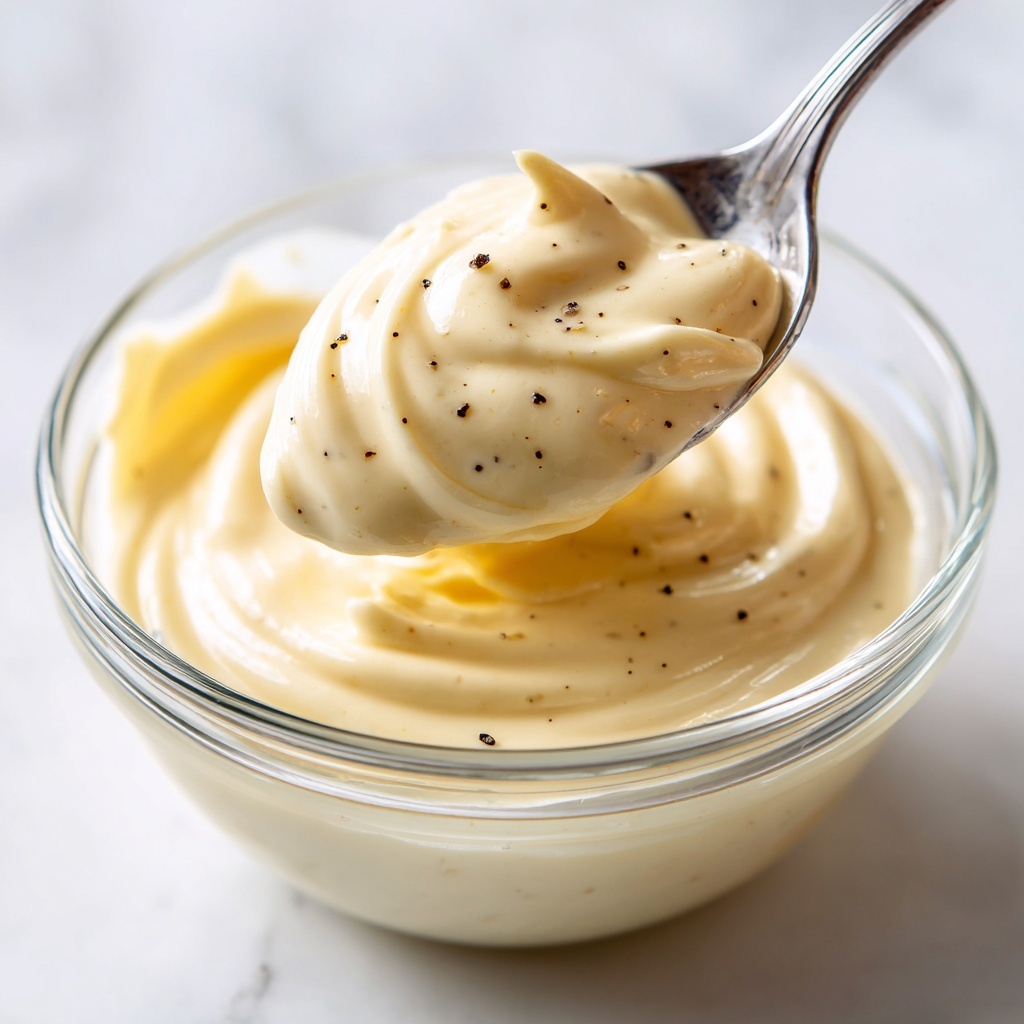
If you have ever wished for a creamy, velvety condiment that brings salads, sandwiches, and dips to life, then this Homemade Mayonnaise from Scratch Recipe is exactly what you need. Its rich texture and fresh flavor are unbeatable, and the simple ingredients come together in a way that feels both satisfying and impressive to make at home. Once you get the hang of it, you’ll never want to reach for store-bought mayo again. Let’s dive into how effortlessly you can whip up this luscious mayonnaise right in your kitchen.
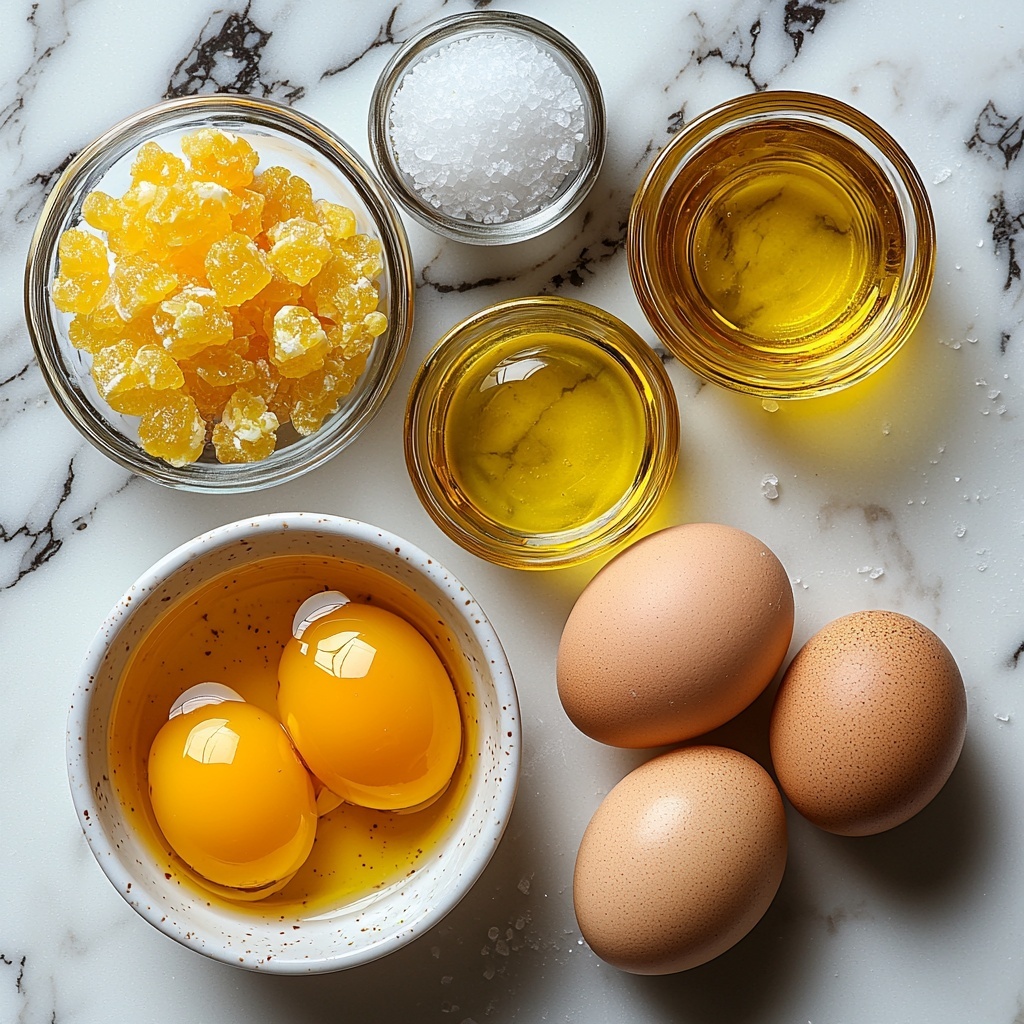
Ingredients You’ll Need
Creating this mayonnaise is incredibly straightforward because it relies on just a handful of everyday ingredients, each playing a crucial role in crafting that perfect creamy texture and balanced flavor.
- 2 large egg yolks (room temperature): These provide the rich base and help emulsify the mixture into a smooth, stable mayo.
- 1 tsp Dijon mustard: Adds a gentle tang and depth of flavor while stabilizing the emulsion.
- 1 tbsp vinegar or lemon juice: Brings brightness and a slight acidity to balance the richness.
- 1 cup neutral oil (canola or vegetable): Supplies the creamy fat content without overpowering other flavors.
- Pinch of salt: Enhances all the flavors and rounds out the taste beautifully.
How to Make Homemade Mayonnaise from Scratch Recipe
Step 1: Whisk the Egg Yolks and Dijon Mustard
Start by placing the room temperature egg yolks and Dijon mustard into a mixing bowl. Whisk them together vigorously until the mixture is perfectly smooth and slightly thickened. This is the foundation for your emulsion, so take your time to get it well combined.
Step 2: Add Vinegar or Lemon Juice
Next, stir in your chosen acid—either vinegar or lemon juice. This not only boosts flavor but helps the mayo develop that subtle tang everyone loves. Mix thoroughly so it’s evenly distributed throughout the yolks.
Step 3: Slowly Drizzle in the Oil While Whisking
This step is the heart of the Homemade Mayonnaise from Scratch Recipe. The key is to pour the oil in a very slow, steady stream while whisking vigorously. This continuous whisking causes the oil and egg mixture to emulsify, turning into a luscious, creamy sauce. If you pour too quickly or stop whisking, the mayo may break, so patience here really pays off.
Step 4: Season with Salt
Once the mixture has thickened and looks glossy, season it with a pinch of salt. Taste and adjust if needed. Salt helps bring all the flavors together and makes your homemade mayo sing on the palate.
Step 5: Store Properly
Transfer your freshly made mayonnaise to an airtight container and refrigerate. It’s best enjoyed within a week, when it’s freshest and the texture is at its peak.
How to Serve Homemade Mayonnaise from Scratch Recipe
Garnishes
Elevate your mayonnaise by stirring in fresh herbs such as parsley, dill, or chives just before serving. A pinch of smoked paprika or finely grated garlic can also add intrigue and layers of flavor that make your mayo uniquely yours.
Side Dishes
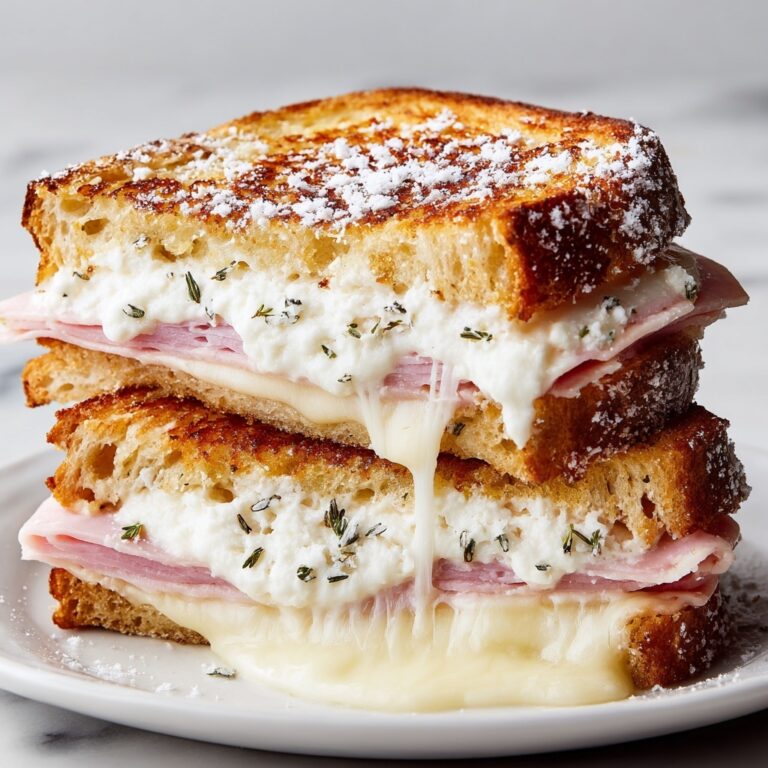
This mayo pairs beautifully with crispy fries, roasted vegetables, or as a creamy spread for burgers and sandwiches. It’s the kind of condiment that enhances the simplest dishes and brings out their best qualities with minimal effort.
Creative Ways to Present
Try dolloping your homemade mayo on charcuterie boards alongside pickles and olives, or use it as a base for flavored aioli by mixing in ingredients like roasted red peppers or sriracha. The versatility is endless, and customizing it keeps every meal exciting.
Make Ahead and Storage
Storing Leftovers
The best way to store your homemade mayonnaise is in a tightly sealed jar in the refrigerator. It will keep well for up to one week, maintaining its freshness and creamy texture.
Freezing
Freezing homemade mayonnaise is not recommended because the delicate emulsion will likely break upon thawing, leading to separation and a less appealing texture. It’s best made fresh or stored chilled.
Reheating
Mayonnaise is served cold and does not require reheating. If you need a warmer mayo-based sauce, make it fresh or warm other components separately and add the mayo when serving cold.
FAQs
Can I use whole eggs instead of just yolks?
While whole eggs can be used, egg yolks alone provide a richer, creamier texture that’s traditional for classic mayonnaise. Using whites might result in a thinner consistency and different flavor.
What if my mayonnaise doesn’t thicken?
If the mayo doesn’t thicken, it’s usually due to adding oil too quickly or using cold ingredients. Try whisking more vigorously and ensure all ingredients are at room temperature before starting.
Is it safe to use raw egg yolks in mayonnaise?
Using fresh, high-quality eggs reduces the risk of contamination. However, if concerned, you can use pasteurized eggs available in some markets to make your mayonnaise safer.
Can I use olive oil instead of neutral oil?
Olive oil has a strong flavor that may overpower the mayonnaise. If you love the taste of olive oil, use a mild or light olive oil, or mix it with a neutral oil to balance the flavor.
How long does homemade mayonnaise last?
When stored properly in the fridge, homemade mayonnaise can last up to one week. Always check for any off smells or changes before use to ensure freshness.
Final Thoughts
There is something truly special about making your own Homemade Mayonnaise from Scratch Recipe. It’s fresh, creamy, and utterly customizable to your tastes. Once you’ve mastered this simple recipe, your meals will gain a new level of deliciousness that only fresh, homemade condiments can bring. Give it a try—you might just find that this becomes your kitchen’s little secret weapon.
Print
Homemade Mayonnaise from Scratch Recipe
- Prep Time: 10 minutes
- Cook Time: 0 minutes
- Total Time: 10 minutes
- Yield: Approximately 12 tablespoons (12 servings, 1 tablespoon each)
- Category: Condiment
- Method: No-Cook
- Cuisine: American
Description
This homemade mayonnaise recipe yields a creamy, flavorful condiment made from simple ingredients including egg yolks, Dijon mustard, vinegar or lemon juice, and neutral oil. Whisked together to create a smooth, thick emulsion, this mayonnaise is perfect for sandwiches, dressings, and dips, and can be stored refrigerated for up to one week.
Ingredients
Base Ingredients
- 2 large egg yolks (room temperature)
- 1 tsp Dijon mustard
- 1 tbsp vinegar or lemon juice
- 1 cup neutral oil (canola or vegetable)
- Pinch of salt
Instructions
- Whisk Egg Yolks and Mustard: In a mixing bowl, whisk together the egg yolks and Dijon mustard vigorously until the mixture becomes smooth and homogenous, which helps to start the emulsification process.
- Add Acid: Stir in the vinegar or lemon juice thoroughly, enhancing the flavor and aiding in the emulsifying stability of the mayonnaise.
- Gradually Add Oil: While continuously whisking, slowly drizzle the neutral oil into the mixture. This slow incorporation is critical to form a thick, creamy emulsified sauce without breaking the mixture.
- Season: Add a pinch of salt to taste, adjusting for flavor balance and enhancing the overall seasoning of the mayonnaise.
- Store Properly: Transfer the mayonnaise to an airtight container and refrigerate. Use within one week for optimal freshness and safety.
Notes
- Use only fresh eggs and keep the mayonnaise refrigerated to prevent spoilage.
- For a thicker mayo, use a bit less oil or an additional egg yolk.
- If the mayonnaise breaks (separates), you can rescue it by whisking in a teaspoon of boiling water or starting over with a fresh egg yolk and slowly adding the broken mayo.
- Variations: add garlic for aioli, herbs for flavored mayo, or swap vinegar for lemon juice depending on taste preference.
- Ensure all ingredients are at room temperature for best emulsion.