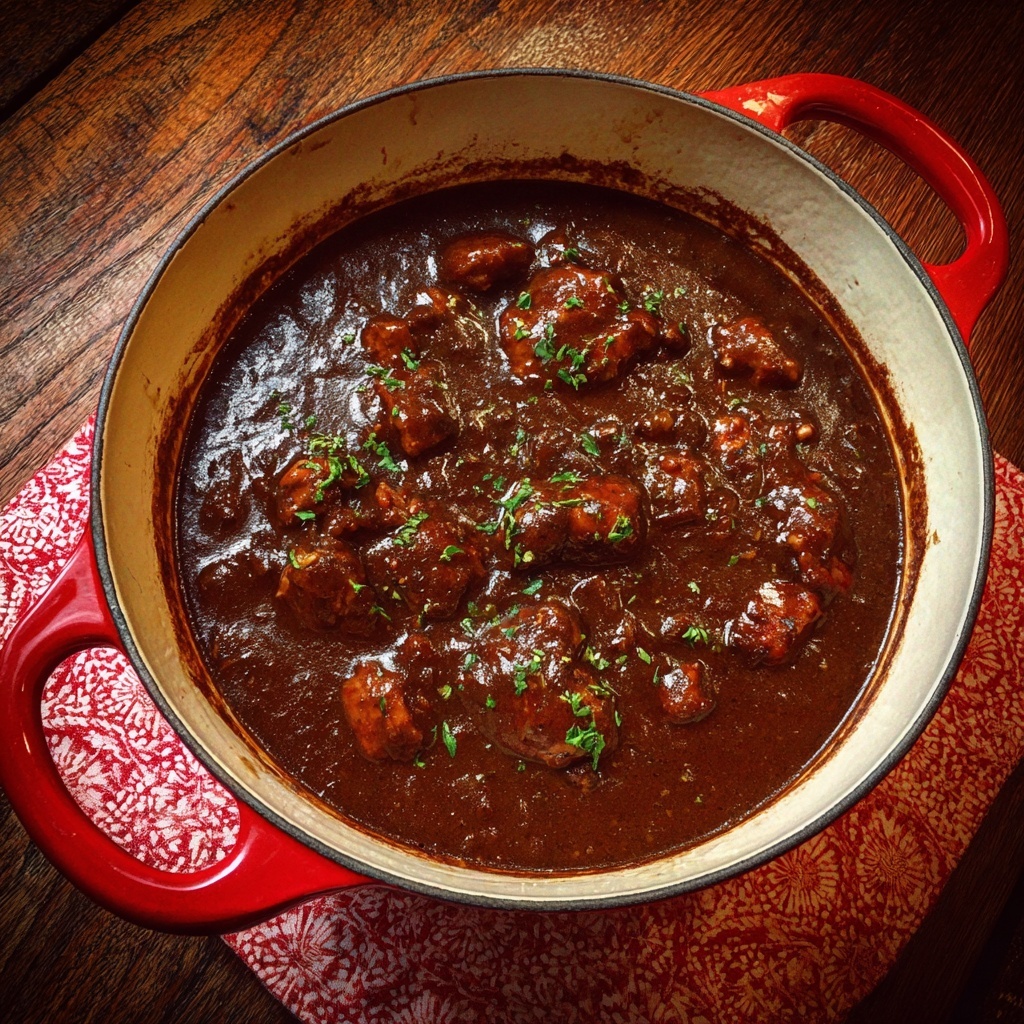
If you are craving a rich, cozy, and soul-satisfying meal, you have to try this Authentic German Goulash (Rindergulasch) Recipe. This dish perfectly balances tender chunks of beef with the smoky warmth of Hungarian paprika and the deep flavors of red wine and tomato paste. It’s a classic comfort food from Germany that’s both hearty and elegant, ideal for sharing with family or friends on a chilly evening. Each spoonful bursts with layers of savory goodness, making it a recipe you’ll want to keep close and return to often.
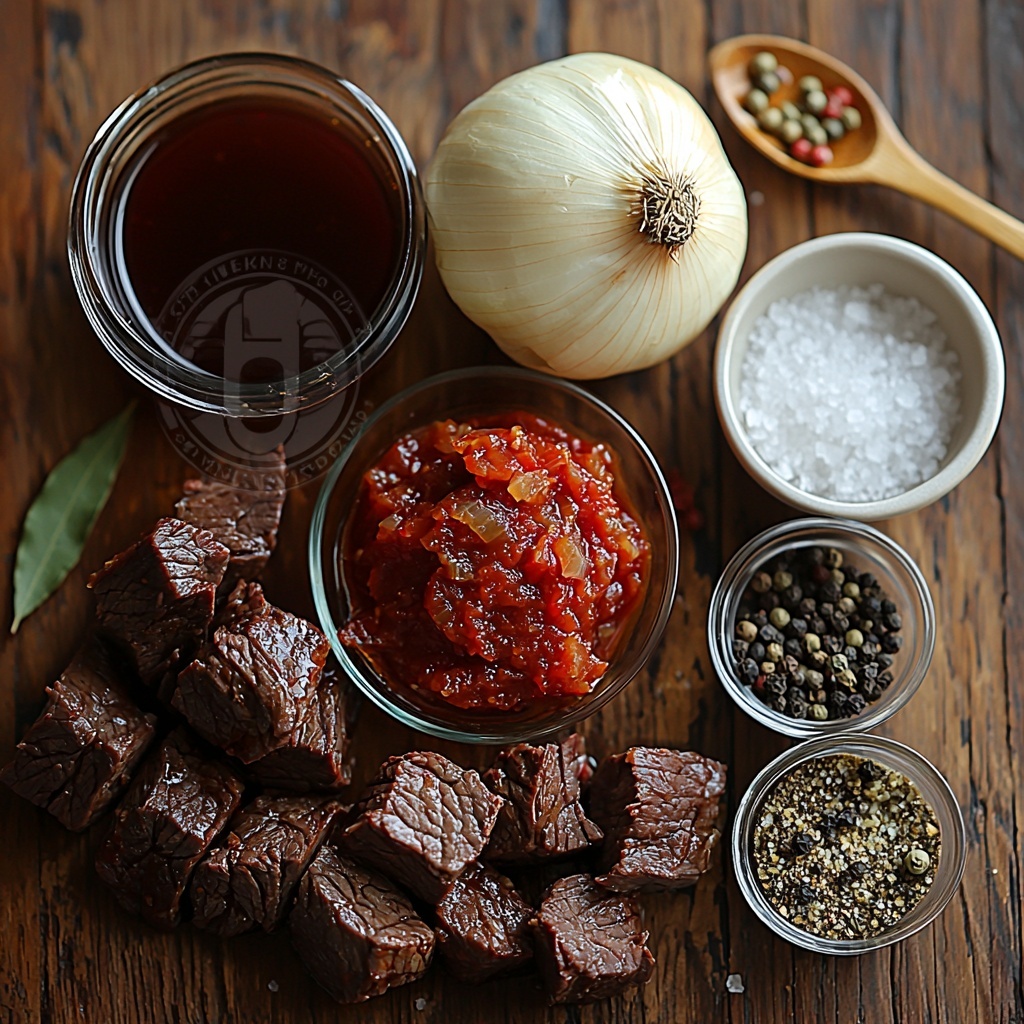
Ingredients You’ll Need
Gathering the right ingredients for this Authentic German Goulash (Rindergulasch) Recipe is simpler than you think, yet each component adds something special to the final dish. From the stewing beef’s tenderness to the aroma of fresh garlic and onions, every element contributes to a harmonious, satisfying flavor profile and vibrant color.
- Stewing beef (1 1/2 pounds): Cut into 1/2 to 1 inch chunks, this beef becomes wonderfully tender with slow cooking.
- Oil (1 tablespoon): Use your preferred cooking oil to brown the meat and build the base flavors.
- Yellow onion (1 large, about 400 g): Diced and browned, the onions add sweetness and depth.
- Garlic (2 cloves): Minced to infuse a gentle pungency and savory aroma.
- Dry red wine (1 cup): A cabernet sauvignon or pinot noir works beautifully to add complexity.
- Tomato paste (3 tablespoons): Intensifies richness and provides a subtle tang.
- Hungarian paprika (3 tablespoons): The heart of this recipe, giving the goulash its signature smoky, peppery flavor and vibrant red color.
- Dried marjoram (1/2 teaspoon): Adds a mild, herbal note that balances the paprika.
- Salt (1 teaspoon): Essential for enhancing all the flavors.
- Freshly ground black pepper (1/2 teaspoon): Adds a touch of heat and depth.
- Beef broth (2 cups): Provides the cooking liquid that tenderizes the beef and enriches the sauce.
- Bay leaf (1): Imparts subtle aromatic nuances during simmering.
- Cornstarch dissolved in water (2 teaspoons cornstarch + 2 tablespoons water): Used to thicken the sauce to the perfect consistency.
How to Make Authentic German Goulash (Rindergulasch) Recipe
Step 1: Brown the Beef and Sauté the Aromatics
Start by heating the oil in a deep heavy skillet or Dutch oven. Brown the stewing beef chunks on all sides until they have a gorgeous caramelized color—this step builds the foundational flavors of your goulash. Once browned, transfer the beef to a plate to rest. Next, add the diced yellow onions to the same pan and cook until they turn lightly browned, about 6 to 8 minutes. The caramelizing onions give the dish a sweet richness that balances the spicy paprika. Toss in the minced garlic and cook for an extra minute until fragrant.
Step 2: Deglaze with Red Wine and Add Seasonings
Pour in the dry red wine, and turn up the heat just enough to bring it to a boil. This deglazing lifts all those wonderful browned bits off the bottom of the pan and mixes them into the sauce. Let the wine simmer steadily until it has reduced by about half, roughly 3 to 4 minutes, concentrating its flavor. Now stir in the tomato paste, Hungarian paprika, dried marjoram, salt, and black pepper, blending everything into a rich, aromatic base that defines this Authentic German Goulash (Rindergulasch) Recipe.
Step 3: Simmer the Beef Until Tender
Return the browned beef to the skillet and pour in the beef broth along with the bay leaf. Bring everything back to a boil, then reduce the heat to low. Cover the pan and let the goulash simmer gently for about an hour, or until the beef is incredibly tender and infused with all those beautiful spices. This slow simmer is key to developing the hearty and comforting texture that makes this dish so beloved.
Step 4: Thicken the Sauce to Perfection
In the final minutes, stir in the dissolved cornstarch mixture little by little, stirring constantly to prevent lumps. The sauce will thicken nicely, coating every bite of beef with velvety goodness. Taste and adjust the seasoning with additional salt and pepper if needed. Your Authentic German Goulash (Rindergulasch) Recipe is now ready to amaze!
How to Serve Authentic German Goulash (Rindergulasch) Recipe
Garnishes
Classic garnish choices bring a fresh contrast to this rich dish. Consider sprinkling chopped fresh parsley or chives over the goulash to add a pop of green and bright herbal notes. A dollop of sour cream is also brilliant here, offering creaminess that perfectly complements the paprika’s warmth.
Side Dishes
This goulash pairs beautifully with traditional German accompaniments. Spätzle, those soft egg noodles, soak up the sauce beautifully; alternatively, German potato dumplings or boiled potatoes make for a hearty, filling side. If you want something with a bit more texture, German bread dumplings are fantastic for mopping up every last bit of that luscious sauce.
Creative Ways to Present
For a modern twist on this authentic meal, serve your goulash in individual rustic bread bowls or over creamy mashed potatoes with a sprinkling of fried onions on top. For a festive occasion, offering it alongside a crisp pickle and a side of red cabbage salad adds both color and traditional flavor contrasts that will wow your guests.
Make Ahead and Storage
Storing Leftovers
Authentic German Goulash (Rindergulasch) Recipe tastes even better the next day as the flavors deepen. Store leftovers in an airtight container in the refrigerator for up to 3 days. Reheating gently on the stove helps maintain the tender texture of the meat and the silky sauce consistency.
Freezing
You can freeze goulash for longer storage by placing it in a freezer-safe container or heavy-duty zip bag. It will keep well for up to 3 months. Thaw overnight in the refrigerator before reheating gently on the stovetop to preserve its delicious flavors and texture.
Reheating
Reheat your goulash slowly over low heat on the stove, stirring occasionally to prevent scorching. Adding a splash of beef broth or water can help loosen the sauce if it has thickened too much. Avoid microwaving at high power to keep the meat tender and the sauce luscious.
FAQs
What cut of beef is best for Authentic German Goulash (Rindergulasch) Recipe?
Stewing beef or chuck roast cut into chunks works best because the slow cooking tenderizes the meat, allowing it to absorb all the rich flavors without becoming dry.
Can I make this goulash without red wine?
Yes, you can substitute the red wine with additional beef broth or a bit of balsamic vinegar for acidity, though wine adds a unique depth that enhances the dish.
Is Hungarian paprika spicy?
Hungarian paprika used in goulash is typically sweet or mildly smoked, not very spicy, which gives the dish a warm, vibrant flavor rather than heat.
How thick should the sauce be?
The sauce should be thick enough to coat the beef well but still spoonable. Adjust the thickness by adding or reducing the cornstarch mixture accordingly.
Can I prepare this recipe in a slow cooker?
Absolutely! After browning the beef and sautéing onions, transfer everything to a slow cooker and cook on low for 6-8 hours. Add the cornstarch at the end to thicken the sauce nicely.
Final Thoughts
This Authentic German Goulash (Rindergulasch) Recipe is truly a treasure for anyone who loves comfort food with a European touch. Its wonderful blend of tender beef, smoky paprika, and robust broth makes every meal feel special. Give yourself the joy of cooking this classic dish — it’s sure to become a heartfelt favorite you’ll cherish sharing again and again.
Print
Authentic German Goulash (Rindergulasch) Recipe
- Prep Time: 10 minutes
- Cook Time: 60 minutes
- Total Time: 70 minutes
- Yield: 4 servings
- Category: Stew
- Method: Stovetop
- Cuisine: German
Description
This Authentic German Goulash (Rindergulasch) is a rich and hearty stew made with tender stewing beef simmered in a flavorful sauce of onions, garlic, dry red wine, tomato paste, and traditional Hungarian paprika. Perfectly seasoned and slowly cooked to develop deep layers of flavor, this comforting dish is ideal for serving over classic German sides like Spätzle or egg noodles.
Ingredients
Main Ingredients
- 1 1/2 pounds stewing beef, cut into 1/2 to 1 inch chunks
- 1 tablespoon oil
- 1 large yellow onion (about 400 g), diced
- 2 cloves garlic, minced
- 1 cup dry red wine (e.g., cabernet sauvignon, pinot noir)
- 3 tablespoons tomato paste
- 3 tablespoons Hungarian paprika
- 1/2 teaspoon dried marjoram
- 1 teaspoon salt
- 1/2 teaspoon freshly ground black pepper
- 2 cups beef broth
- 1 bay leaf
- 2 teaspoons cornstarch dissolved in 2 tablespoons water (or more depending on desired thickness)
Instructions
- Brown the Beef: Heat the oil in a deep heavy skillet or Dutch oven over medium-high heat. Add the stewing beef chunks and brown on all sides to develop flavor and seal in juices. Transfer the browned beef to a plate and set aside.
- Sauté Onions and Garlic: In the same skillet, add the diced onions and cook, stirring occasionally, until they become lightly browned, about 6-8 minutes. Add the minced garlic and cook for an additional minute until fragrant.
- Reduce Wine: Pour in the dry red wine and bring it to a boil. Reduce the heat and simmer steadily until the wine has reduced by about half, approximately 3-4 minutes, concentrating the flavors.
- Add Seasonings and Tomato Paste: Stir in the Hungarian paprika, tomato paste, dried marjoram, salt, pepper, and bay leaf, mixing well to combine all ingredients.
- Simmer the Stew: Return the browned beef to the skillet. Pour in the beef broth and bring the mixture to a boil. Reduce the heat to low, cover with a lid, and simmer gently for about 60 minutes or until the beef is very tender.
- Thicken the Sauce: Stir the dissolved cornstarch mixture slowly into the simmering goulash to avoid lumps. Continue simmering for another 1-2 minutes until the sauce thickens to your desired consistency. Adjust seasoning with additional salt and pepper as needed.
- Serve: Remove the bay leaf and serve the goulash hot over traditional German sides such as Spätzle, German potato dumplings, German bread dumplings, boiled potatoes, or egg noodles.
Notes
- Use quality dry red wine such as cabernet sauvignon or pinot noir for best flavor.
- Hungarian paprika is key for authentic taste; use sweet or smoked depending on preference.
- Simmer the stew gently to avoid toughening the beef.
- Adjust thickness with cornstarch according to desired sauce consistency.
- Leftovers taste even better the next day as flavors continue to meld.