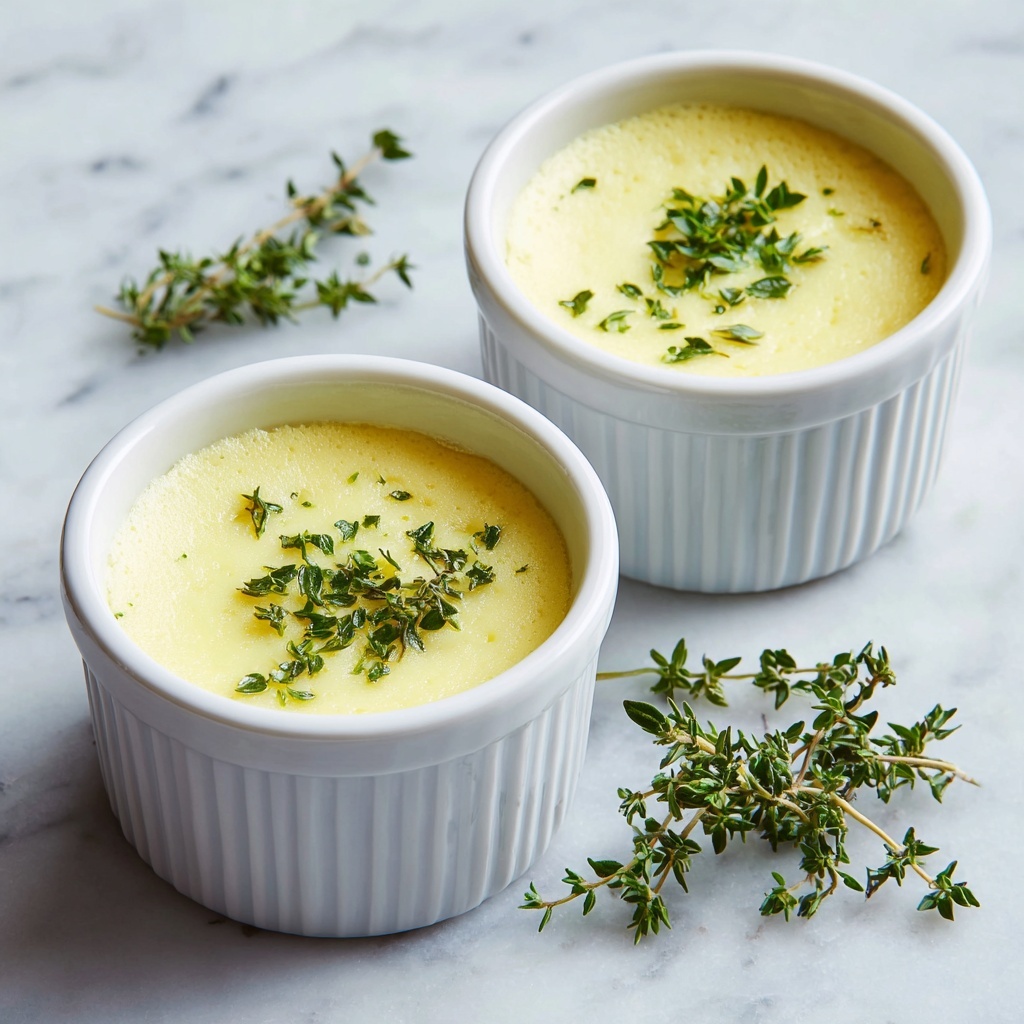
If you have a love for silky smooth textures and the rich, savory comfort of melted cheese, this Cheese Custard Recipe will win your heart instantly. This dish is a wonderfully simple yet indulgent testament to how a few humble ingredients can come together to create something truly special. Creamy, cheesy, and delicately seasoned with just the right balance of herbs and spices, this custard offers a luscious experience that is perfect for brunch, a light dinner, or an elegant appetizer. Whether you’re a custard novice or a seasoned pro, this recipe promises to become a cherished staple in your kitchen.
Ingredients You’ll Need
These ingredients are straightforward but carefully chosen to build layers of flavor and give this cheese custard its signature creaminess and vibrant taste. Each component plays a crucial role, from the eggs that create the custard’s silky texture to the cheeses that deepen the richness.
- Eggs: Provide structure and create the smooth custard base that sets beautifully in the oven.
- Milk: Adds creaminess and acts as the main liquid, especially when infused with herbs or spices for extra flavor.
- Salt and white pepper: Season delicately while keeping the custard’s color clean and inviting.
- Grated cheese: Choose your favorite variety—it melts into the custard, offering incredible depth and cheesiness.
- Grated Parmesan: Adds a sharp, nutty counterpoint to mellow cheeses, enhancing complexity.
- Flavorings (herbs, spices, dried mushrooms, etc.): Infuse the milk for subtle layers of aromatic charm that elevate the custard to a gourmet level.
How to Make Cheese Custard Recipe
Step 1: Infuse the Milk
Begin by gently heating the milk until it’s just about to boil, then add your chosen flavorings. This is where you can get creative—think fragrant herbs or earthy dried mushrooms. Let the milk steep until it cools, allowing these flavors to fully meld before straining it back into your mixing bowl. This infusion step transforms simple milk into a flavor powerhouse.
Step 2: Prepare the Oven and Water Bath
Preheat your oven to a cozy 350˚F (177˚C). At the same time, bring some water to just a simmer. This water will be used as a gentle bath during baking, ensuring your custard cooks evenly without any harsh heat spots.
Step 3: Butter the Ramekins
Butter four 1-cup ramekins or other heatproof dishes generously. This little step prevents sticking and also creates a subtle, golden rim on your custard for a feast that’s as beautiful as it is delicious.
Step 4: Combine Eggs and Milk
Stir the eggs into the cooled, infused milk carefully and add salt and white pepper to taste. For an ultra-smooth custard, strain this mixture to remove any lumps or bits of egg white that didn’t fully incorporate—a simple trick for professional results.
Step 5: Add Cheese and Solids
Fold in your grated cheese and any leftover flavoring solids you want to keep, such as chopped herbs. Stir gently until everything melds into a uniform, creamy batter ready to be baked.
Step 6: Pour into Ramekins
Divide the custard mixture evenly into your prepared buttered ramekins, smoothing the surface gently to encourage even cooking and a tender crust.
Step 7: Set Up the Water Bath
Place the ramekins inside a large, shallow baking dish. Carefully pour the simmering water around the ramekins until it reaches about halfway up their sides. This water bath is key: it regulates the heat to keep the custard ultra-silky and prevents it from curdling.
Step 8: Bake to Perfection
Bake the custard for around 20 minutes, watching closely for it to set fully except for a small jiggly spot in the center. This slight wobble signals perfect custard—creamy inside with a tender top.
Step 9: Cool and Serve
Carefully lift the ramekins from the water bath and allow them to cool for a few minutes. This resting time helps the custard firm up just enough for easy serving while keeping it luscious and warm.
How to Serve Cheese Custard Recipe
Garnishes
A sprinkle of fresh herbs like chives, parsley, or thyme on top adds a burst of color and freshness, balancing the custard’s richness. For an added touch, a light dusting of paprika or a drizzle of truffle oil can transform the dish into an elegant presentation that surprises and delights.
Side Dishes
This custard pairs beautifully with simple sides like a crisp green salad dressed lightly with lemon vinaigrette or toasted rustic bread to scoop up every creamy bite. If you want a heartier meal, steamed vegetables, roasted mushrooms, or a smoked meat platter all complement the custard’s delicate cheese flavors.
Creative Ways to Present
Serve the cheese custard in individual ramekins for a refined touch, or unmold it onto small plates for a stunning look. You can also experiment by layering the custard with sautéed vegetables or smoked salmon in clear glasses to create a layered appetizer that looks as delightful as it tastes. The versatility of this recipe invites joyful creativity in the kitchen.
Make Ahead and Storage
Storing Leftovers
Leftover cheese custard keeps well in the refrigerator for up to three days. Cover the ramekins tightly with plastic wrap or transfer the custard to an airtight container to preserve moisture and prevent it from absorbing other fridge odors.
Freezing
This custard is best enjoyed fresh, but you can freeze it if necessary. Use freezer-safe containers, leaving space for expansion. For optimal texture, consume within 1 month and thaw slowly in the refrigerator overnight before reheating.
Reheating
Reheat gently in a low oven or microwave, covering the custard to retain moisture. Take care not to overheat, as this can cause separation or a rubbery texture. A warm custard should feel soft and creamy, just like it did fresh from the oven.
FAQs
Can I use any type of cheese for this cheese custard recipe?
Absolutely! This recipe is wonderfully flexible. You can use mild cheeses like mozzarella or sharp ones like cheddar, or mix several types for extra complexity. Just keep in mind how strongly flavored cheeses may affect the final taste.
What is the purpose of the water bath during baking?
The water bath creates gentle and even heat around the custard, which prevents the eggs from cooking too quickly and curdling. It ensures your cheese custard has a silky, smooth texture rather than a rubbery one.
Can I prepare this cheese custard recipe without infusing the milk?
Yes, you can skip the milk infusion step if you want a more straightforward flavor. The custard will still be delicious, but the infusion adds a wonderful depth and aroma that takes it to the next level.
Is white pepper necessary, or can I use black pepper?
White pepper is recommended because it blends seamlessly into the custard without dark specks, giving a cleaner presentation. However, if you prefer the taste or don’t mind the appearance, black pepper works just fine.
How do I know when the custard is perfectly baked?
The custard should be mostly set around the edges but retain a slight wobble in the center when you gently shake the ramekin. It will continue to firm up slightly as it cools, so avoid overbaking to maintain that creamy softness.
Final Thoughts
This Cheese Custard Recipe is truly one of those dishes that brings joy with every spoonful. Its delicate balance of creaminess, cheesy goodness, and subtle seasoning makes it an absolute winner for any occasion. I encourage you to gather your ingredients, follow these simple yet detailed steps, and share this comforting treasure with your favorite people. Trust me, once you try it, this custard will be a go-to recipe you’ll gladly make over and over again!
Print
Cheese Custard Recipe
- Prep Time: 15 minutes
- Cook Time: 20 minutes
- Total Time: 35 minutes
- Yield: 4 servings
- Category: Appetizer
- Method: Baking
- Cuisine: European
- Diet: Vegetarian
Description
This Cheese Custard recipe is a creamy, savory baked custard infused with your choice of cheese and optional herbs or spices for added flavor. It yields a smooth, delicate texture through gentle baking in a water bath, making it an elegant appetizer or side dish perfect for any meal.
Ingredients
Custard Base
- 3 eggs
- 1 1/2 cups milk
- Salt and white pepper, to taste
Cheese
- 1/2 cup grated cheese (your choice)
- 1/3 cup grated Parmesan cheese
Flavorings (Optional)
- Herbs, spices, dried mushrooms, or other infusing items
Instructions
- Infuse the milk: Heat the milk to just below boiling, then add your chosen herbs, spices, or dried mushrooms. Let the milk steep until it cools, then strain it into a mixing bowl to remove solids.
- Preheat oven and prepare water bath: Preheat your oven to 350°F (177°C). Heat some water to a simmer that will be used to create a water bath during baking.
- Prepare ramekins: Butter four 1-cup ramekins or other heatproof dishes to prevent sticking and aid in easy removal.
- Mix eggs and milk: Stir the eggs into the cooled, infused milk. Season with salt and white pepper. For the smoothest texture, strain the mixture to eliminate any curdled bits.
- Add cheese and solid flavorings: Incorporate the grated cheese and any solid herbs or spices into the milk and egg mixture, stirring until thoroughly combined.
- Fill ramekins: Pour the custard mixture evenly into the prepared baking cups.
- Set up water bath: Place the filled baking cups into a large shallow baking dish (such as a 9 x 13-inch Pyrex). Place the dish in the oven rack, then carefully pour the simmering water around the cups until it reaches about halfway up their sides.
- Bake the custard: Bake the custard until it is mostly set with a slight jiggle in the center, about 20 minutes.
- Cool and serve: Carefully remove the ramekins from the water bath and allow them to cool slightly before serving.
Notes
- Using white pepper instead of black pepper will keep the custard’s appearance clean and free of visible specks.
- Straining the milk and egg mixture before baking creates the smoothest custard texture.
- You can customize the flavor by infusing milk with your favorite herbs, spices, or dried mushrooms.
- Ensure the water bath is carefully handled to avoid water leaking into the custards.
- Serve warm or at room temperature as an appetizer or side dish.