
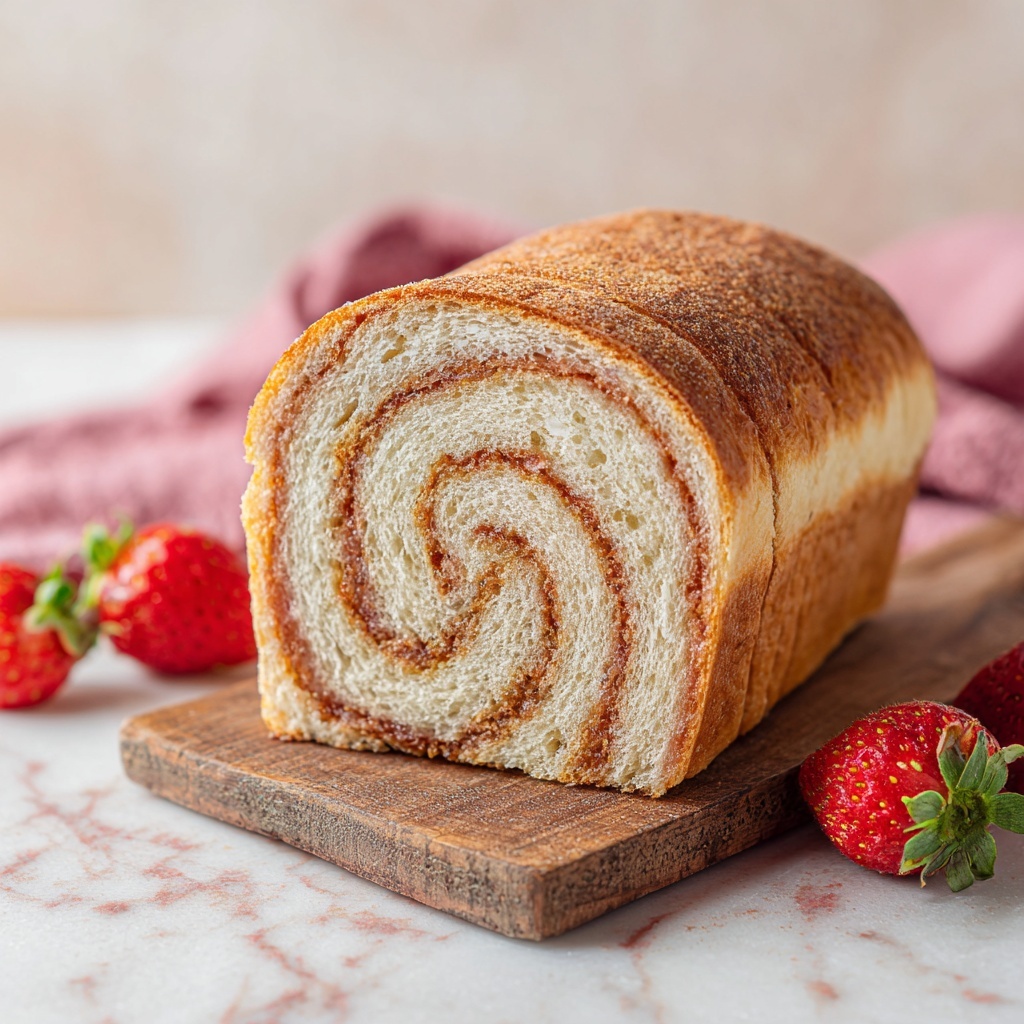
If you adore flaky, buttery croissants and the comforting feel of fresh bread, you are going to be over the moon with this Croissant Bread Loaf Recipe. Imagine the delicate layers of buttery croissant dough transformed into a beautiful, soft loaf that’s perfect sliced and shared with everyone at your table. This recipe bridges the best of both worlds — the irresistible texture of croissants with the ease and shape of a bread loaf. Whether you’re serving it for breakfast, a snack, or alongside dinner, this loaf will quickly become your new favorite indulgence to bake and enjoy.
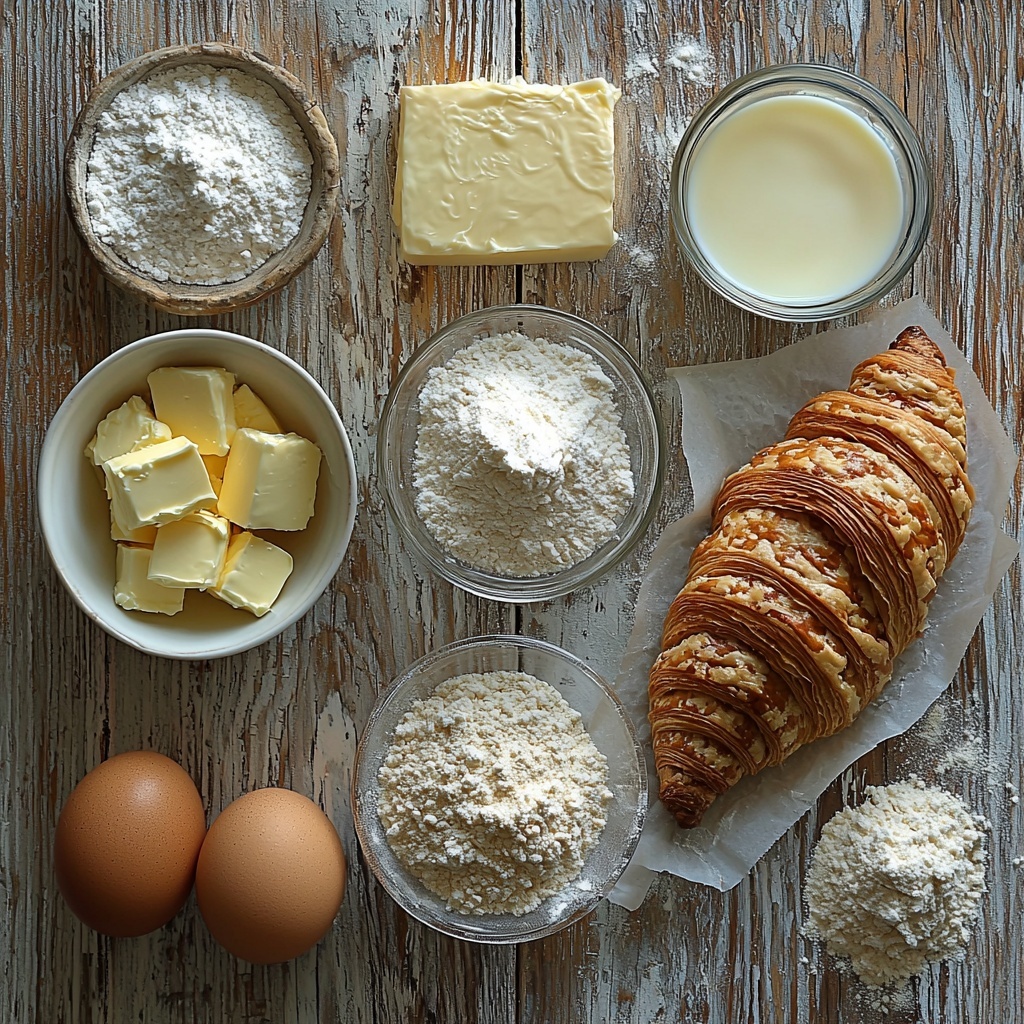
Ingredients You’ll Need
These ingredients come together simply yet each one plays a crucial role in creating that signature croissant bread flavor and texture. From the rich butter that creates layers, to the yeast that gives it rise and fluffiness, every component is essential for success.
- Whole milk: Warmed to about 110°F to gently activate the yeast without killing it for a perfect rise.
- Instant or active dry yeast: The magical ingredient that makes the dough airy and soft.
- Granulated sugar: Adds subtle sweetness that balances out the buttery richness.
- Salt: Enhances the flavor depth and balances the sweetness.
- Butter (softened and for lamination): One part mixed into the dough for tenderness, the larger portion laminated in for flaky layers.
- All-purpose flour: The foundation of the dough, spooned and leveled for accuracy.
- Egg: Helps with browning and adds richness to the dough’s surface.
- Water: Used in the egg wash to give the crust a beautiful sheen.
How to Make Croissant Bread Loaf Recipe
Step 1: Prepare Your Workspace
Before diving into making the dough, take a few minutes to watch a detailed video tutorial if you have one and clear enough room in your refrigerator. You will need space for a half baking sheet later on, so a little prep goes a long way to keeping things smooth.
Step 2: Activate the Yeast
In the bowl of your stand mixer fitted with a dough hook, whisk together the warm milk, yeast, and sugar. Cover and let it rest for about 5 minutes until the mixture becomes foamy. This foaming is your yeast waking up and starting to work its magic.
Step 3: Combine Dough Ingredients
Add salt, softened butter cut into pieces, and 2 cups of flour into the yeast mixture. Beat on medium speed for 2 minutes, scraping the bowl as necessary. At this point, it’s fine if you still see some butter chunks—they will help create flakiness. Then, add the remaining flour and beat on low speed until a soft dough forms and begins to pull away from the bowl sides.
Step 4: Knead the Dough
Continue kneading the dough either in the mixer for 5 more minutes or by hand on a lightly floured surface. The goal is a soft but slightly tacky dough. If it feels sticky, dust lightly with flour teaspoon by teaspoon while being careful not to dry it out. The dough should slowly bounce back when poked and pass the “windowpane test” – meaning you can stretch a piece thinly enough to see light through without tearing.
Step 5: [Step details missing]
Unfortunately, details for Step 5 are not provided, but typically this would involve letting the dough rise until doubled and then preparing for the lamination steps.
Step 6: [Step details missing]
With some steps missing, the general idea is continuing with chilling, rolling, folding the butter into the dough to form flaky layers, then finally shaping it into a loaf before proofing and baking.
How to Serve Croissant Bread Loaf Recipe
Garnishes
To elevate your croissant bread slices, a simple sprinkle of flaky sea salt right out of the oven enhances the buttery notes beautifully. If you want some sweetness, a light brush of honey or jam complements the soft, layered texture wonderfully.
Side Dishes
This loaf pairs magnificently with a variety of dishes. Think creamy soups, fresh fruit salads, or even a savory spread like garlic butter or cheese. The light, flaky bread acts as a delicious canvas for any accompaniment.
Creative Ways to Present
Serve thick slices buttered and warm alongside your favorite charcuterie board, or make decadent breakfast sandwiches with ham, egg, and cheese nestled in between. You can also toast slices lightly and spread with almond butter and banana for a quick, gourmet snack.
Make Ahead and Storage
Storing Leftovers
Once completely cooled, wrap your croissant bread loaf tightly in plastic wrap or store in an airtight container at room temperature for up to 2 days. This helps maintain its softness and buttery flavor without drying out.
Freezing
This recipe freezes beautifully. Slice the loaf before freezing for easy portioning. Place slices in a freezer-safe bag with parchment paper between layers to prevent sticking, and store for up to one month.
Reheating
To bring back that fresh-baked taste, reheat slices in a toaster oven or conventional oven at 350°F for 5–7 minutes. Avoid microwaving when possible since it can make the texture chewy rather than flaky and soft.
FAQs
Can I make the Croissant Bread Loaf Recipe without a stand mixer?
Absolutely! While a stand mixer with a dough hook makes kneading easier, you can mix the dough by hand in a large bowl and knead on your countertop. Just be prepared for a bit more elbow grease and a longer kneading time.
What is the purpose of laminating the dough in this recipe?
Laminating the dough means folding butter into it multiple times to create distinct layers. This process is what gives the loaf its signature flaky croissant texture and buttery richness.
Do I need to use salted or unsalted butter?
The recipe calls for slightly softened salted butter for lamination but softened unsalted or salted butter for the dough itself. Using salted butter for layering helps control the saltiness and adds depth of flavor, but you can adjust slightly if you prefer unsalted.
How long does this Croissant Bread Loaf stay fresh?
If stored properly at room temperature in an airtight container, the loaf remains moist and delicious for up to 2 days. After that, freshness diminishes, so freezing or reheating methods are better options.
Can I add fillings like chocolate or herbs to this bread?
Absolutely! Incorporate fillings like chocolate chips, cinnamon sugar, or fresh herbs during the laminating steps for a flavorful twist. Just be mindful not to overwhelm the delicate butter layers.
Final Thoughts
I can’t recommend trying the Croissant Bread Loaf Recipe enough. It’s a warm, buttery hug in bread form that feels both elegantly special and wonderfully comforting. Once you experience the flakiness combined with the ease of slicing a loaf, this recipe will quickly become a treasured favorite in your baking repertoire. So grab your ingredients, get ready to impress yourself, and enjoy every luscious mouthful!
Print
Croissant Bread Loaf Recipe
- Prep Time: 4h 45m
- Cook Time: 1h
- Total Time: 5h 45m
- Yield: 1 loaf
- Category: Bread
- Method: Baking
- Cuisine: French
Description
This Croissant Bread Loaf recipe combines the rich, flaky layers of classic croissants with the convenience of a loaf form. Made with a yeast-leavened, buttery dough and layered with salted butter, this bread offers a tender crumb and buttery flavor perfect for breakfast, brunch, or a special snack. The process includes a multi-step dough preparation and lamination technique to mimic croissant layers without the individual shaping or folds, resulting in a soft, buttery loaf with a golden crust.
Ingredients
Dough Ingredients
- 1 cup (240ml) whole milk, warmed to about 110°F (43°C)
- 2 and 1/4 teaspoons (7g) instant or active dry yeast (1 standard packet)
- 3 Tablespoons (38g) granulated sugar
- 1 and 1/4 teaspoons salt
- 3 Tablespoons (43g) unsalted or salted butter, softened to room temperature and cut into 3 equal pieces
- 3 cups (375g) all-purpose flour (spooned & leveled), plus more as needed
Lamination Butter
- 3/4 cup (12 Tbsp; 170g) salted butter, slightly softened
Egg Wash
- 1 large egg, cold or room temperature
- 1 Tablespoon (15ml) water
Instructions
- Prepare Equipment and Read Instructions: Watch the video tutorial and review the step-by-step photos for guidance. Make space in your refrigerator for a half sheet pan that will be used in later steps.
- Activate Yeast: In the bowl of a stand mixer fitted with a dough hook, whisk together the warmed milk, yeast, and sugar. Cover and let sit for about 5 minutes, or until the mixture becomes foamy on top, indicating that the yeast is active. If mixing by hand, use a large bowl and proceed with stirring manually.
- Mix Dough Ingredients: Add salt, softened butter pieces, and 2 cups (250g) of flour to the yeast mixture. Beat on medium speed for 2 minutes, scraping the bowl as needed. There will still be chunks of butter, which is normal. Then, add the remaining flour and continue beating on low speed until a soft dough develops that pulls away from the bowl sides. If the dough is very sticky, beat in 2 to 3 tablespoons more flour, but avoid adding too much.
- Knead the Dough: Continue kneading the dough in the mixer for 5 additional minutes or knead by hand on a lightly floured surface for 5 minutes. The dough should remain soft but elastic. Use the windowpane test to check development: stretch a small piece of dough to see if light passes through without tearing. If necessary, add flour in teaspoon increments to manage stickiness but avoid drying out the dough.
- First Rise: Place the kneaded dough in a large, lightly greased bowl, cover it snugly with plastic wrap or a damp towel, and let it rise at room temperature until doubled in size, about 1 to 1.5 hours. (This step replaces missing text inferred from typical bread-making procedures.)
- Prepare for Laminating: Once risen, punch down the dough to release air. Roll the dough out on a lightly floured surface into a large rectangle approximately 12×20 inches. Spread the softened salted butter evenly over two-thirds of the dough. Fold the uncovered third over the middle section, then fold the buttered third over the top, like closing a letter. This lamination creates the layers typical of croissants.
- Chill the Dough: Wrap the folded dough in plastic wrap and place it on a half baking sheet. Refrigerate the dough for at least 30 minutes to firm the butter and relax the gluten. This chilling step is essential for workable laminated dough.
- Second Fold and Chill: Remove the dough from the refrigerator and roll it out again to the same size. Fold it into thirds once more, wrap it tightly, and return it to the refrigerator for another 30 minutes to chill.
- Shape the Loaf: Roll the chilled dough into a rectangle slightly narrower and longer than your loaf pan. Starting from the short side, roll the dough tightly into a log. Place the rolled dough seam-side down into a greased loaf pan. Cover and proof at room temperature for about 1 to 1.5 hours, or until the loaf has nearly doubled in size.
- Preheat Oven and Prepare Egg Wash: Preheat your oven to 350°F (175°C). In a small bowl, whisk together the egg and water to make the egg wash. Brush the surface of the risen dough lightly with the egg wash to promote a golden crust during baking.
- Bake the Loaf: Place the loaf pan on the middle rack of the preheated oven. Bake for approximately 50 to 60 minutes, or until the loaf turns deep golden brown and a toothpick inserted into the center comes out clean. If the top browns too fast, tent it loosely with aluminum foil toward the end of baking.
- Cool and Serve: Remove the bread from the oven and let it cool in the pan for 10 minutes. Then transfer the loaf to a wire rack to cool completely before slicing. This rest allows steam to escape, maintaining the bread’s soft texture and defined layers.
Notes
- Use either instant yeast or active dry yeast; if using active dry yeast, proof it as described in Step 2.
- Butter for lamination should be softened but still cool enough to spread easily without melting.
- Do not over-flour the dough during kneading or rolling to keep the bread tender and flaky.
- The layering and folding steps create the signature flaky texture of croissants in loaf form.
- Allow sufficient rising and chilling time for best texture.
- For easier handling, work with cold or room temperature egg for the wash.
- Store the bread wrapped at room temperature for up to 2 days or freeze for longer storage.