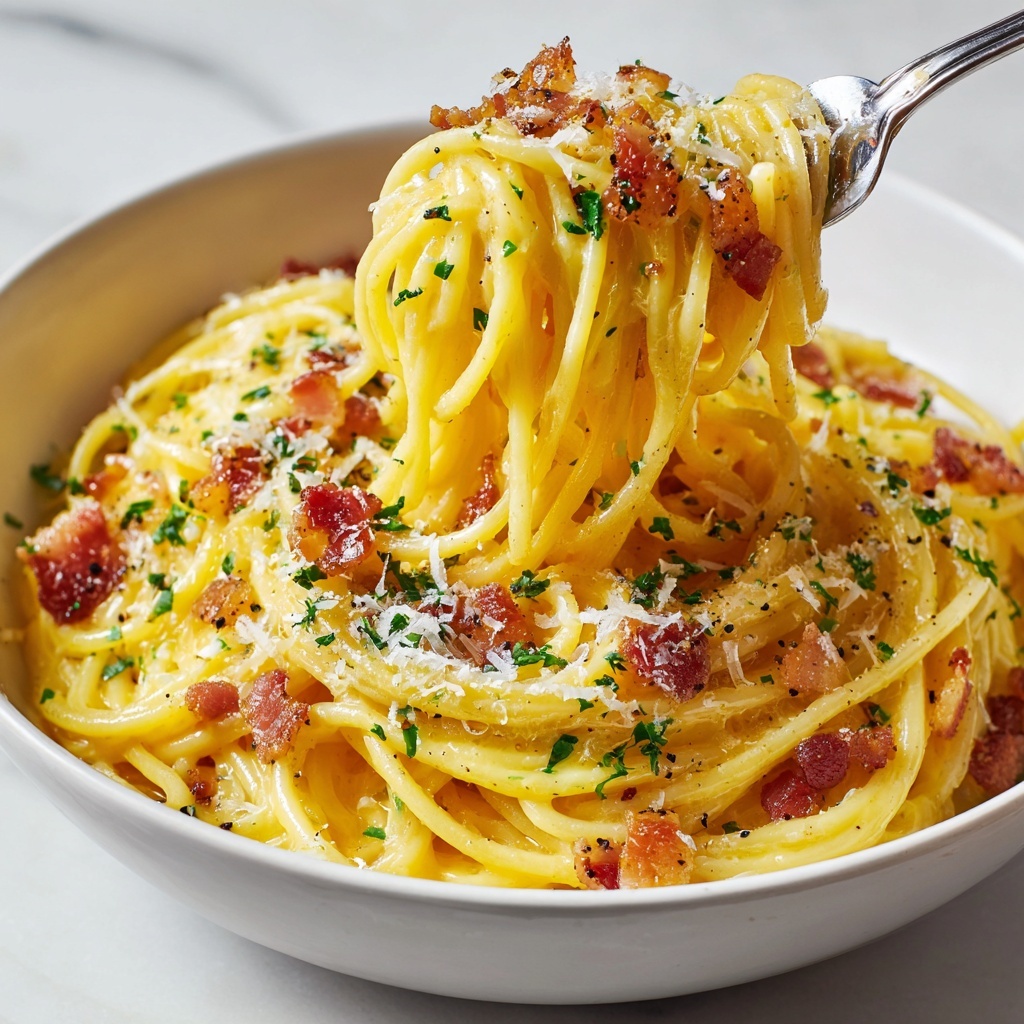
If you have a craving for an authentic Italian classic that feels both indulgent and comforting, look no further than the Gordon Ramsay Carbonara: A Creamy Italian Masterpiece Recipe. This dish perfectly balances the rich, silky sauce with crispy guanciale and al dente spaghetti, delivering flavors that dance on your palate. It’s a celebration of simple, high-quality ingredients working together to create something truly spectacular—one bite and you’ll see why it’s a timeless favorite!
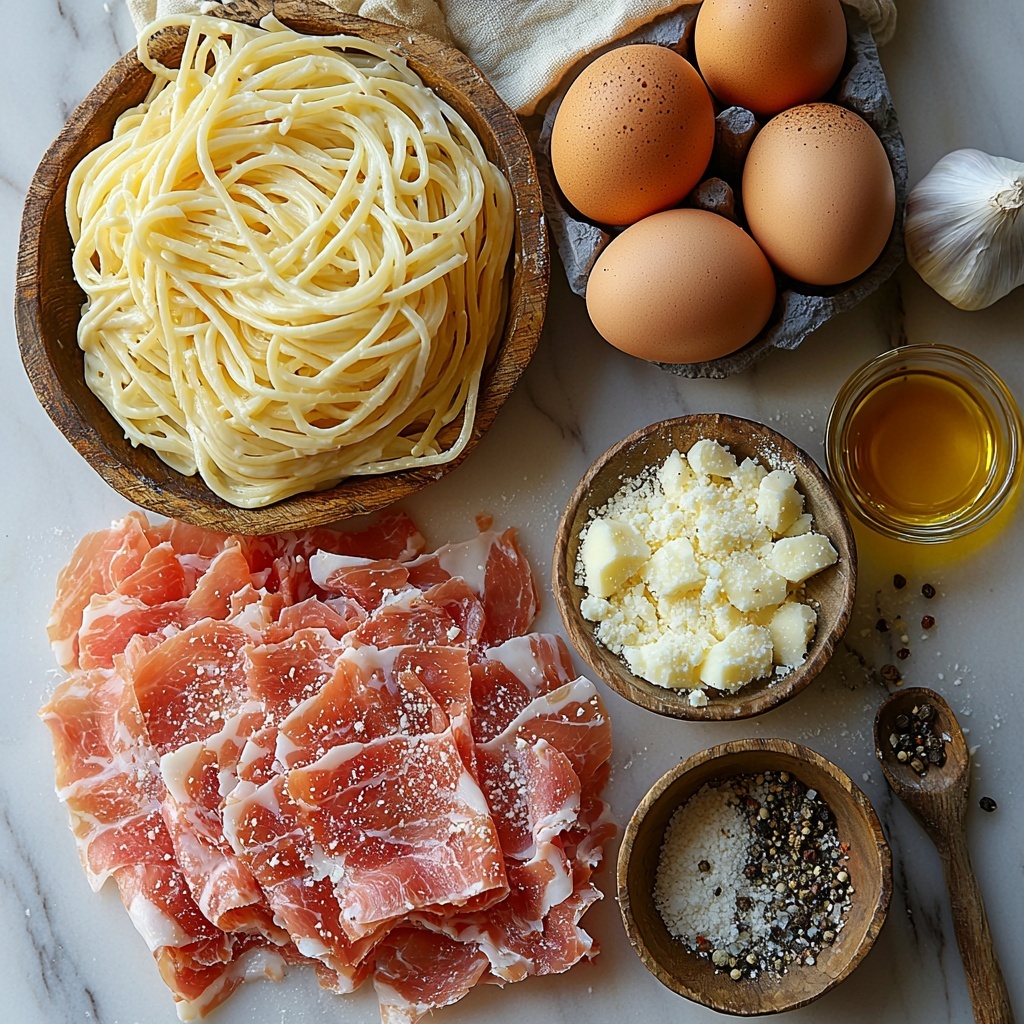
Ingredients You’ll Need
The magic of Gordon Ramsay Carbonara: A Creamy Italian Masterpiece Recipe lies in its simplicity. Each ingredient plays a vital role, from the salty tang of Pecorino Romano to the smoky crunch of guanciale, all coming together to create the perfect harmony of flavor, texture, and color.
- 400 g Spaghetti: The heart of traditional Carbonara; its shape holds the creamy sauce beautifully.
- 150 g Guanciale: Provides the essential savory flavor; substitute pancetta or bacon if necessary.
- 4 large Eggs: Fresh, large eggs are key for a rich and creamy texture.
- 100 g Pecorino Romano cheese: Freshly grated is best for a sharp, salty bite.
- 50 g Parmesan cheese: Enhances the dish with a nutty flavor.
- 1 tsp Black pepper: Freshly ground adds the right amount of spice and aroma.
- 2 cloves Garlic: Adds a lovely aroma; skip for a more traditional taste.
- 1 tbsp Olive oil: Use sparingly if sautéing garlic.
- Salt to taste: Be careful as cheese and guanciale are already salty.
How to Make Gordon Ramsay Carbonara: A Creamy Italian Masterpiece Recipe
Step 1: Prepare the Pasta
Start by bringing a large pot of salted water to a boil. Add the spaghetti and cook until just al dente, usually about 8 to 10 minutes depending on the package instructions. It’s important not to overcook the pasta, as it will continue cooking slightly when tossed with the sauce.
Step 2: Render the Guanciale
While the pasta cooks, slice your guanciale into small pieces or strips. Heat the olive oil in a large pan over medium heat, then add the garlic cloves to infuse a gentle aroma. Remove the garlic once fragrant, then add the guanciale. Cook it slowly until it becomes golden and crispy, allowing the fat to render out—this rendered fat is liquid gold for your sauce!
Step 3: Mix the Cheese and Eggs
In a mixing bowl, whisk together the eggs, grated Pecorino Romano, Parmesan cheese, and a generous amount of freshly ground black pepper. This mixture forms the rich, creamy base of your carbonara sauce, packed with sharpness and depth.
Step 4: Combine Pasta and Guanciale Fat
Drain the spaghetti, reserving some of the pasta water. Immediately toss the hot pasta into the pan with the rendered guanciale and its flavorful fat. This step helps the pasta absorb all those meaty, savory juices that define Gordon Ramsay Carbonara: A Creamy Italian Masterpiece Recipe.
Step 5: Create the Creamy Sauce
Remove the pan from the heat and quickly pour in the egg and cheese mixture, stirring vigorously to coat each strand of spaghetti without scrambling the eggs. Add a splash of the reserved pasta water as needed to loosen the sauce to a silky, luscious consistency. The key is to work fast and keep everything warm but off direct heat to achieve that beautifully creamy texture.
Step 6: Final Seasoning and Serve
Give the dish a final taste and adjust the seasoning with salt and more black pepper if you like. Remember, the cheese and guanciale are already salty, so it’s best to be cautious here. Serve immediately to enjoy the perfect marriage of flavors and textures that make this sauce unforgettable.
How to Serve Gordon Ramsay Carbonara: A Creamy Italian Masterpiece Recipe
Garnishes
Simple garnishes like an extra sprinkle of Pecorino Romano and a crack of fresh black pepper add an elegant final touch, elevating the dish’s flavors. A few fresh parsley leaves can add a pop of color and subtle freshness without overwhelming the classic profile.
Side Dishes
A crisp green salad with a tangy vinaigrette is a perfect complement to balance the richness of the carbonara. Roasted or steamed seasonal vegetables also work beautifully, offering texture and freshness that enhance every bite.
Creative Ways to Present
For a fun twist, serve your Gordon Ramsay Carbonara: A Creamy Italian Masterpiece Recipe in individual shallow bowls, twirling the pasta neatly with a fork before plating. You might also try topping with a poached egg for extra silkiness or adding a sprinkle of crunchy toasted breadcrumbs for a delightful contrast.
Make Ahead and Storage
Storing Leftovers
Carbonara is best enjoyed fresh, but if you must store leftovers, transfer them to an airtight container and refrigerate for up to 2 days. Keep in mind that the sauce will thicken as it cools and the texture will change slightly.
Freezing
It is not recommended to freeze carbonara due to the egg-based sauce, which can separate and become watery upon thawing. For the best experience, savor this dish fresh or store briefly in the fridge.
Reheating
Reheat gently on the stove over low heat with a splash of water or broth, stirring continuously to restore the creamy texture without scrambling the eggs. Avoid microwaving as it tends to overcook the sauce quickly.
FAQs
Can I use bacon instead of guanciale?
Yes, while guanciale is traditional, pancetta or bacon can be used as substitutes. Just keep in mind the flavor will be slightly different, with bacon adding a smokier note.
Why does my carbonara sometimes become scrambled eggs?
This usually happens if the heat is too high when adding the egg mixture. The key is to remove the pan from direct heat before combining the eggs with the pasta, stirring quickly to create a smooth, creamy sauce.
What type of cheese is best for carbonara?
Pecorino Romano is traditional for its sharp, salty flavor, enhanced by Parmesan for nutty undertones. Freshly grating the cheese ensures it melts evenly and blends beautifully into the sauce.
Is garlic traditional in carbonara?
Garlic is often used in some recipes to infuse flavor into the fat, but classic Roman carbonara does not include garlic. It’s a personal preference that you can omit or include depending on your taste.
How do I achieve the perfect creamy texture?
Use room temperature eggs, promptly mix them off the heat, and add reserved pasta water gradually. Stirring quickly while mixing helps prevent scrambling and ensures a gorgeously silky sauce.
Final Thoughts
Once you try the Gordon Ramsay Carbonara: A Creamy Italian Masterpiece Recipe, you’ll understand why it stands as a shining example of Italian comfort food perfection. It’s hearty, flavorful, and surprisingly easy to make, making it perfect for both busy weeknights and special occasions. So gather your ingredients and transform your kitchen into a trattoria—this recipe is sure to become one of your favorites!
Print
Gordon Ramsay Carbonara: A Creamy Italian Masterpiece Recipe
- Prep Time: 10 minutes
- Cook Time: 25 minutes
- Total Time: 35 minutes
- Yield: 4 servings
- Category: Main Course
- Method: Stovetop
- Cuisine: Italian
Description
Gordon Ramsay’s Carbonara is a classic Italian pasta dish known for its rich, creamy sauce made from eggs, Pecorino Romano, Parmesan cheese, and guanciale. This recipe combines traditional ingredients with precise techniques to create a deliciously satisfying meal that highlights the authentic flavors of Italy.
Ingredients
Pasta
- 400 g Spaghetti
Meat
- 150 g Guanciale (or pancetta or bacon as substitute)
Cheese and Dairy
- 100 g Pecorino Romano cheese, freshly grated
- 50 g Parmesan cheese, freshly grated
- 4 large Eggs
Seasonings and Others
- 1 tsp Black pepper, freshly ground
- 2 cloves Garlic (optional)
- 1 tbsp Olive oil
- Salt, to taste
Instructions
- Prepare the pasta: Bring a large pot of salted water to a boil and cook the spaghetti according to package instructions until al dente. Reserve some pasta water before draining.
- Cook the guanciale: Meanwhile, heat the olive oil in a large skillet over medium heat. Add the finely chopped guanciale and sauté until crisp and golden. Add the optional garlic cloves for aroma but remove them before combining with pasta to keep the traditional flavor.
- Mix eggs and cheese: In a mixing bowl, whisk together the eggs, Pecorino Romano, Parmesan, and freshly ground black pepper until smooth and creamy.
- Combine pasta and guanciale: Add the drained spaghetti to the skillet with the guanciale (remove garlic cloves if used). Toss well to coat the pasta with the rendered fat, ensuring it stays warm but not too hot to scramble the eggs.
- Create the sauce: Remove the skillet from heat and quickly pour the egg and cheese mixture over the pasta while tossing continuously. Add reserved pasta water a little at a time to loosen the sauce to a silky creamy consistency without scrambling.
- Final seasoning and serve: Taste and adjust salt and pepper if needed, then serve immediately garnished with extra Pecorino and black pepper for the perfect creamy Italian Carbonara experience.
Notes
- Use fresh, large eggs for the best creamy texture without cream.
- Guanciale is preferred for authentic flavor, but pancetta or bacon can substitute.
- Do not add cream; traditional Carbonara relies on eggs and cheese for creaminess.
- Be cautious when mixing eggs with pasta to avoid scrambling; remove the pan from direct heat.
- Reserve pasta water to adjust sauce consistency.
- Skip garlic if you want the most traditional Carbonara taste.