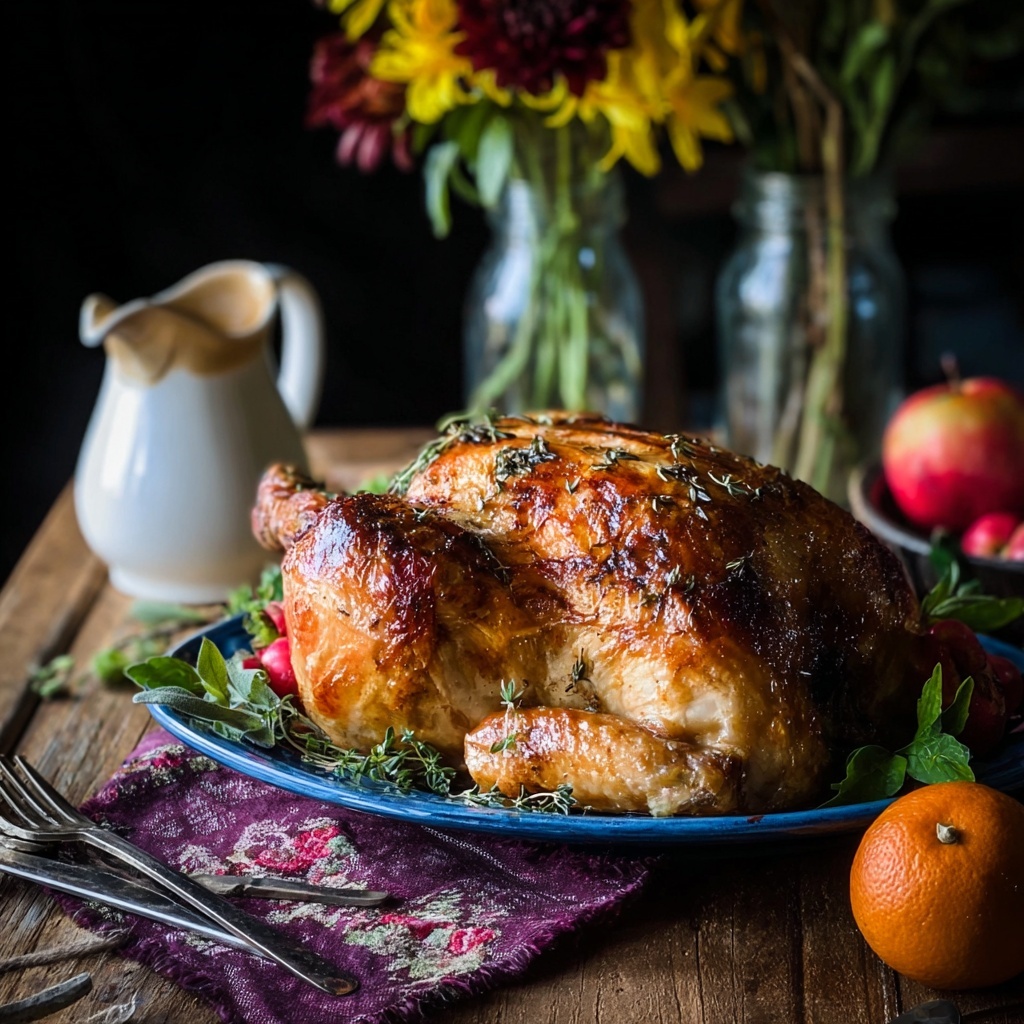
The Herb and Butter Roasted Turkey with White Wine Pan Gravy Recipe is a magnificent centerpiece for any special occasion or holiday feast. This recipe infuses the turkey with fragrant fresh herbs and rich butter under the skin, ensuring every bite is juicy and flavorful. The accompanying white wine pan gravy, made from the flavorful roasting drippings, adds a luscious, velvety finish that perfectly complements the tender turkey. This dish is a celebration of classic flavors elevated with thoughtful technique, making it a guaranteed crowd-pleaser that you’ll be excited to share with friends and family.
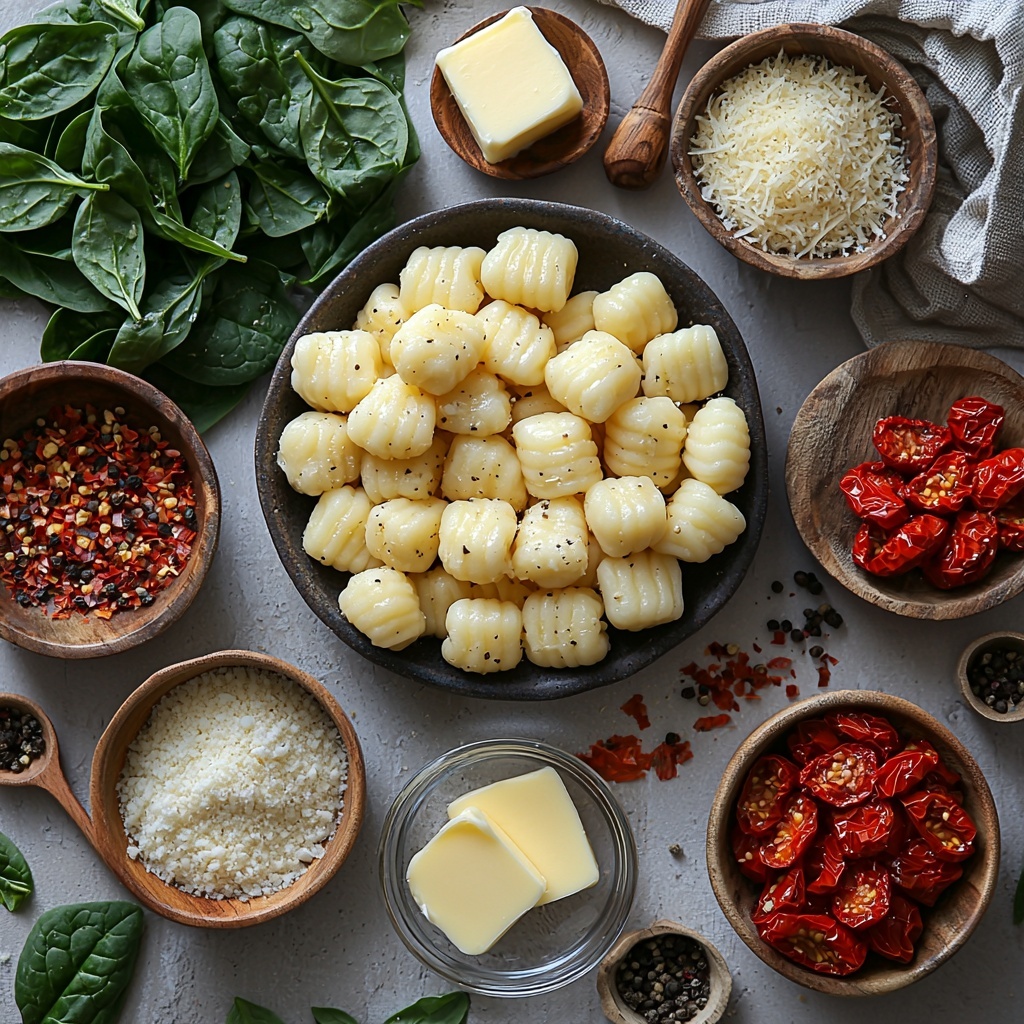
Ingredients You’ll Need
Getting started with this Herb and Butter Roasted Turkey with White Wine Pan Gravy Recipe is simple because the ingredients are straightforward but essential. Each element plays a crucial role, whether it’s adding freshness, richness, or depth of flavor, ensuring your turkey turns out golden and delicious.
- 1 (14-16) pound turkey, giblets and neck removed: The perfect size for serving about 8 people, with giblets saved or discarded as desired.
- 2 sticks (1 cup) unsalted butter, at room temperature: Softened for easy mixing and spreading under the skin for ultimate moistness.
- 2 tablespoons fresh sage: Aromatic and earthy, fresh sage brings classic herbaceous notes to the butter blend.
- 2 tablespoons fresh thyme: Adds a subtle, woodsy flavor that pairs beautifully with poultry.
- 3 tablespoons fresh parsley: Brightens the herb mixture with fresh, grassy tones.
- Zest of 1 lemon: Provides a lively citrus kick, balancing the rich butter.
- 3 teaspoons kosher salt: Essential for seasoning the bird inside and out for depth of flavor.
- 1 1/2 teaspoons black pepper: Adds gentle heat and complexity.
- 1 piece large double lined cheesecloth: Holds the melted butter over the turkey during roasting to keep it succulent.
- 2 lemons, halved: Stuffed into the cavity to infuse fragrant citrus and moisture.
- 1 garlic head, tips sliced off: Roasts inside the bird, mellowing to sweet and fragrant garlic flavor.
- 1 onion, halved: Adds sweetness and depth to the turkey cavity and drippings.
- 7-8 cups low sodium chicken or turkey broth: Keeps the roasting pan moist and becomes part of the delicious gravy.
- 1 cup white wine: Used in the pan gravy for brightness and rich flavor enhancement.
- 4 tablespoons salted butter: Incorporated into the gravy for silkiness.
- 6 tablespoons all-purpose flour: Creates the roux that thickens the gravy perfectly.
- Drippings from the turkey: The foundation for the pan gravy’s incredible depth.
- 2-3 cups low sodium chicken or turkey broth, as needed: Adjusts the gravy consistency while preserving flavor.
- 1 tablespoon fresh chopped sage: Stirred into the gravy for an herbal boost.
- Kosher salt and black pepper, to taste: Final seasoning for the gravy to match your preference.
How to Make Herb and Butter Roasted Turkey with White Wine Pan Gravy Recipe
Step 1: Preparing the Turkey
Start by removing the turkey from the fridge an hour before roasting, allowing it to reach room temperature, which ensures even cooking. Take out the giblets and neck, then gently pat the bird dry. Preparing the herb butter mixture with sage, thyme, parsley, lemon zest, salt, and pepper is a fun step that will infuse the turkey with incredible flavor from the inside out. This herb butter acts as a secret weapon to tender, juicy meat.
Step 2: Seasoning and Stuffing the Bird
Once the butter is ready, preheat your oven to 450 degrees Fahrenheit. Lay the turkey on a rack in a roasting pan, then season the cavity with salt and pepper. Stuff it with halved lemons, garlic head, and onion — these veggies lend moisture and subtle flavor to the bird from within. The next part requires a delicate touch: slip your fingers under the turkey’s skin and spread the herb butter evenly beneath it. This step ensures the skin crisps beautifully while locking in the juicy flavors. Don’t forget to rub some butter on top!
Step 3: Applying the Butter-Coated Cheesecloth
Melt the remaining butter and soak your double-lined cheesecloth in it, making sure it absorbs the butter thoroughly. Then, lay this buttery cloth over the turkey. This clever step keeps the bird moist and basted as it roasts, protecting the skin while allowing those delicious herbs to infuse deeply.
Step 4: Roasting the Turkey
Pour 4 cups of broth into the bottom of the roasting pan to maintain a flavorful steam that interacts with the turkey. Roast initially at 450 degrees Fahrenheit for 45 minutes to brown the skin, then reduce the temperature to 350 degrees Fahrenheit and roast for an additional 2 hours or until the internal temperature reaches 160 degrees. Don’t forget to baste the turkey with its drippings twice during cooking, rotating the pan to ensure an even roast and golden crust. Carefully add extra broth halfway through to keep the environment moist and prevent drying.
Step 5: Resting the Turkey
Once cooked, remove the turkey from the oven and take off the cheesecloth. Transfer the bird to a cutting board and loosely tent it with foil. Resting the turkey for 20 to 30 minutes lets the juices redistribute so every slice is juicy and tender when served.
Step 6: Making the White Wine Pan Gravy
Pour the pan drippings through a strainer, skimming off excess fat to avoid greasy gravy. Placing the broth in the freezer for a few minutes helps separate the fat to make skimming even easier. Return the roasting pan to two burners and deglaze with half a cup of white wine, scraping up all those golden, flavorful bits stuck to the pan’s bottom. Adding butter and whisking in flour forms a roux, cooked until golden for a rich, nutty base. Next, add the second half of the wine and gradually whisk in broth to reach a smooth consistency. Stir in the fresh sage and let the gravy thicken for about 8 to 10 minutes. Adjust seasoning with salt and pepper, then serve warm alongside your turkey feast.
How to Serve Herb and Butter Roasted Turkey with White Wine Pan Gravy Recipe
Garnishes
Fresh herbs such as a few sprigs of thyme, sage, or parsley scattered over the carved turkey add a lovely pop of color and a fresh aroma. Thin lemon slices or zest sprinkled around the platter brighten the presentation beautifully and echo the citrus notes in the dish.
Side Dishes
This Herb and Butter Roasted Turkey with White Wine Pan Gravy Recipe pairs wonderfully with classic sides like creamy mashed potatoes, roasted root vegetables, buttery dinner rolls, and tangy cranberry sauce. These accompaniments create a comforting and balanced meal that guests will adore.
Creative Ways to Present
For a stunning presentation, serve the turkey on a large wooden board surrounded by roasted garlic bulbs and lemon wedges. Pour some gravy in an elegant boat so everyone can ladle their perfect helping. For a rustic touch, nestle fresh herb sprigs around the bird and arrange colorful roasted vegetables artistically around the platter.
Make Ahead and Storage
Storing Leftovers
After your feast, keep any leftover turkey in an airtight container and refrigerate promptly. It will stay fresh for 3 to 4 days, making for quick sandwiches or salads in the days that follow.
Freezing
If you want to save leftovers longer, freeze sliced turkey in portions within freezer-safe bags or containers. Properly frozen turkey can last up to 2 months while maintaining excellent flavor and texture.
Reheating
Reheat turkey gently in the oven wrapped in foil with a splash of broth to keep it moist, or warm slices in a covered skillet over low heat. Gently reheat the white wine pan gravy on the stove, stirring frequently to retain its silky finish.
FAQs
Can I use dried herbs instead of fresh for this recipe?
While fresh herbs give the best flavor and aroma, you can substitute dried herbs if needed. Use about one-third the amount of dried herbs since they are more concentrated. Adding them to the butter mixture will still infuse nice flavor.
How long should I let the turkey rest before carving?
Resting the turkey for 20 to 30 minutes is ideal because it allows the juices to redistribute evenly throughout the meat, resulting in juicier slices.
What type of white wine is best for the pan gravy?
A dry white wine such as Sauvignon Blanc or Pinot Grigio works well in this recipe. They bring a nice brightness without overpowering the gravy’s savory flavors.
Can I prepare the herb butter in advance?
Absolutely! The herb butter can be made up to 2 days ahead and stored covered in the fridge. Let it soften slightly before rubbing it under the skin just before roasting.
Is it okay to roast a stuffed turkey?
This recipe lightly stuffs the cavity with aromatics only. If you want to add more stuffing, be sure to adjust cooking time and ensure the stuffing reaches a safe temperature of 165 degrees Fahrenheit.
Final Thoughts
Once you try this Herb and Butter Roasted Turkey with White Wine Pan Gravy Recipe, it’s sure to become a treasured classic in your cooking repertoire. The vibrant herbs, luscious butter, and rich gravy make each bite unforgettable. Give it a go at your next celebration or cozy family dinner — you’ll love how it brings everyone together around the table.
Print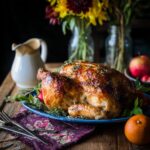
Herb and Butter Roasted Turkey with White Wine Pan Gravy Recipe
- Prep Time: 20 minutes
- Cook Time: 3 hours
- Total Time: 3 hours 20 minutes
- Yield: 8 servings
- Category: Main Course
- Method: Roasting
- Cuisine: American
Description
This Herb and Butter Roasted Turkey with White Wine Pan Gravy is a classic festive centerpiece featuring a moist, flavorful turkey infused with fresh herbs and lemon zest. The bird is roasted with a herb butter under the skin and covered with a butter-soaked cheesecloth to keep it tender and juicy. Served with a silky, rich gravy made from pan drippings, white wine, and fresh sage, this recipe delivers a comforting and elegant meal perfect for holiday gatherings.
Ingredients
Turkey and Herb Butter
- 1 (14-16) pound turkey, giblets and neck removed
- 2 sticks (1 cup) unsalted butter, at room temperature
- 2 tablespoons fresh sage, plus more for stuffing the bird
- 2 tablespoons fresh thyme, plus more for stuffing the bird
- 3 tablespoons fresh parsley
- Zest of 1 lemon
- 3 teaspoons kosher salt
- 1 1/2 teaspoons black pepper
- 1 piece large double-lined cheesecloth
- 2 lemons, halved
- 1 garlic head, tips sliced off
- 1 onion, halved
Roasting Liquids and Gravy
- 7–8 cups low sodium chicken or turkey broth
- 1 cup white wine, divided
- 4 tablespoons salted butter
- 6 tablespoons all-purpose flour
- Drippings from the turkey
- 2–3 cups low sodium chicken or turkey broth, as needed
- 1 tablespoon fresh chopped sage
- Kosher salt and black pepper, to taste
Instructions
- Prepare the turkey: Remove the turkey from the fridge one hour before roasting. Remove the giblets and neck, then allow the bird to come to room temperature.
- Make herb butter: In a medium bowl, combine 1 stick of the unsalted butter with fresh sage, thyme, parsley, lemon zest, kosher salt, and black pepper. Mix until well incorporated.
- Preheat oven and prepare pan: Preheat your oven to 450°F (230°C) and position a rack in the lower third of the oven. Place the turkey in a large roasting pan.
- Season the turkey and apply herb butter: Season the turkey cavity generously with kosher salt and black pepper. Stuff the cavity with halved lemons, garlic head (with tips sliced off), and halved onion. Carefully lift the skin from the turkey breast and rub the herb butter mixture under the skin evenly. Spread some butter on top of the skin as well.
- Apply butter-soaked cheesecloth: Melt the remaining 1 stick of butter over low heat or in the microwave. Dampen the double-lined cheesecloth with warm water and wring out excess. Submerge the cheesecloth fully in the melted butter, ensuring it’s saturated. Lay the buttered cheesecloth over the turkey, covering most of the bird. Drizzle any leftover melted butter over the cheesecloth-covered turkey.
- Add broth and start roasting: Pour about 4 cups of chicken or turkey broth into the bottom of the roasting pan. Place the pan in the oven and roast the turkey at 450°F for 45 minutes.
- Continue roasting at lower temperature: After 45 minutes, reduce oven temperature to 350°F (175°C). Continue roasting the turkey for approximately 2 more hours, or until an internal meat thermometer inserted into the thickest part of the thigh reads 160°F (71°C). Halfway through roasting, add an additional 1-2 cups of broth to the pan. Baste the turkey two times during cooking with the pan drippings, rotating the pan each time to ensure even basting.
- Rest the turkey: Remove the turkey from the oven and carefully discard the cheesecloth. Transfer the turkey to a cutting board, loosely tent with foil, and let rest for 20-30 minutes before carving. This allows juices to redistribute for maximum moistness.
- Prepare to make gravy: Strain the liquid from the roasting pan into a bowl, skimming off most of the fat. To make fat removal easier, pour the broth into a measuring cup and chill in the freezer for 10 minutes so the fat rises to the surface and can be skimmed off more easily. Add enough broth back to the straining to equal about 4 to 5 cups of drippings and broth combined.
- Deglaze the roasting pan: Place the roasting pan over two burners on the stovetop. Add approximately 1/2 cup of white wine to the pan and scrape up all the browned bits from the bottom using a wooden spoon or spatula. This adds deep flavor to the gravy.
- Make the roux: Add 4 tablespoons salted butter to the pan and once melted, whisk in 6 tablespoons all-purpose flour. Cook the mixture constantly, stirring, until it turns golden in color and smells nutty, about 5 minutes.
- Finish the gravy: Increase heat to medium-high and add the remaining 1/2 cup of white wine, whisking continuously to reduce the wine. Slowly pour in the reserved broth mixture in a steady stream while whisking constantly to avoid lumps. Stir in 1 tablespoon fresh chopped sage. Continue cooking and stirring until the gravy thickens to your desired consistency, approximately 8-10 minutes. Season with kosher salt and black pepper to taste.
- Serve: Serve the hot gravy warm alongside slices of the roasted herb butter turkey.
Notes
- Allowing the turkey to come to room temperature before roasting ensures even cooking.
- Using the butter-soaked cheesecloth helps keep the turkey skin moist and promotes even browning without drying out the bird.
- Basting the turkey with pan drippings and rotating the pan promotes even roasting and rich flavor.
- Resting the turkey after roasting is crucial for juicy, tender meat.
- Skim fat from the roasting liquid to make a leaner, smoother gravy.
- White wine adds balanced acidity and flavor depth to the pan gravy.
- Use a meat thermometer to ensure the turkey is safely cooked to 160°F without overcooking.